

Vintage Coffee Table
Discover the Charm of an Authentic Vintage Coffee Table
Every living room needs a grounding element, and nothing anchors a seating area like a vintage coffee table. Unlike mass-produced modern furnishings, vintage designs bring rich patinas, solid joinery, and stories etched directly into the grain. Whether your aesthetic leans towards the clean lines of 1960s Danish teak or the weathered charm of an early-twentieth-century factory cart, a vintage centerpiece bridges classic craftsmanship with everyday function.
Key Styles to Match Your Interior
Finding the right table comes down to material and silhouette:
Mid-Century Modern: Tapered dowel legs, organic kidney shapes, and warm wood tones like walnut, teak, and rosewood. Perfect for low-profile, minimalist layouts.
Industrial Vintage: Reclaimed barn wood combined with blackened steel bases, cast-iron wheels, or exposed rivets. Ideal for loft spaces and modern farmhouse designs.
French Provincial & Traditional: Fluted cabriole legs, carved aprons, and distressed whitewash or soft wax finishes that soften tailored upholstery.
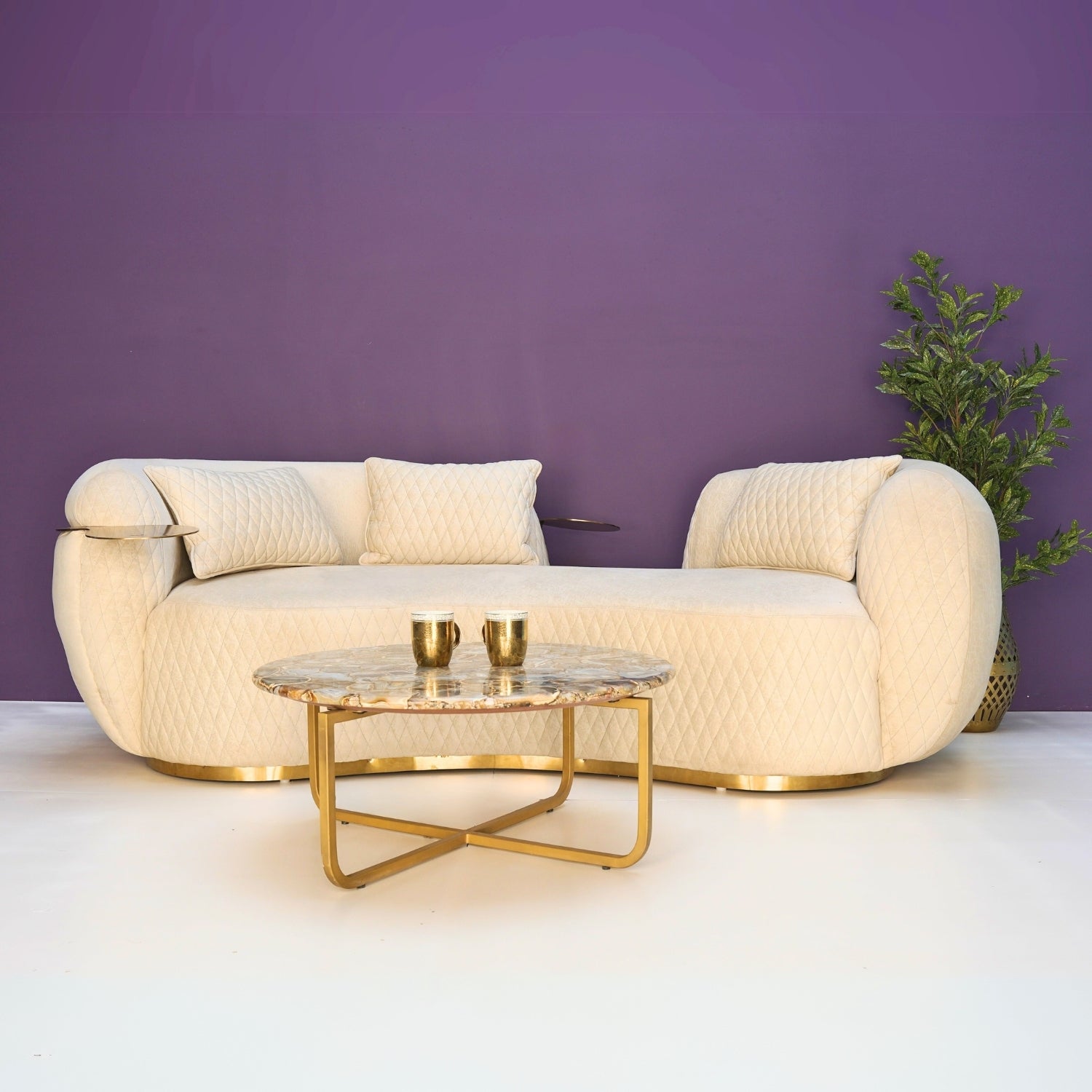
Art Deco & Brass: Geometric metal frames paired with aged smoked glass or veined Italian marble surfaces to introduce subtle glamour.
How to Choose the Right Size
| Factor | Guideline | Why It Matters |
| Height | 16 to 18 inches (1–2 inches below sofa cushion) | Keeps reach ergonomic without blocking eye lines across the room. |
| Length | Two-thirds the length of your sofa | Prevents the table from overwhelming small couches or looking lost against sectionals. |
| Clearance | 14 to 18 inches from sofa edge | Leaves adequate legroom while keeping drinks within natural reach. |
Styling and Caring for Vintage Wood
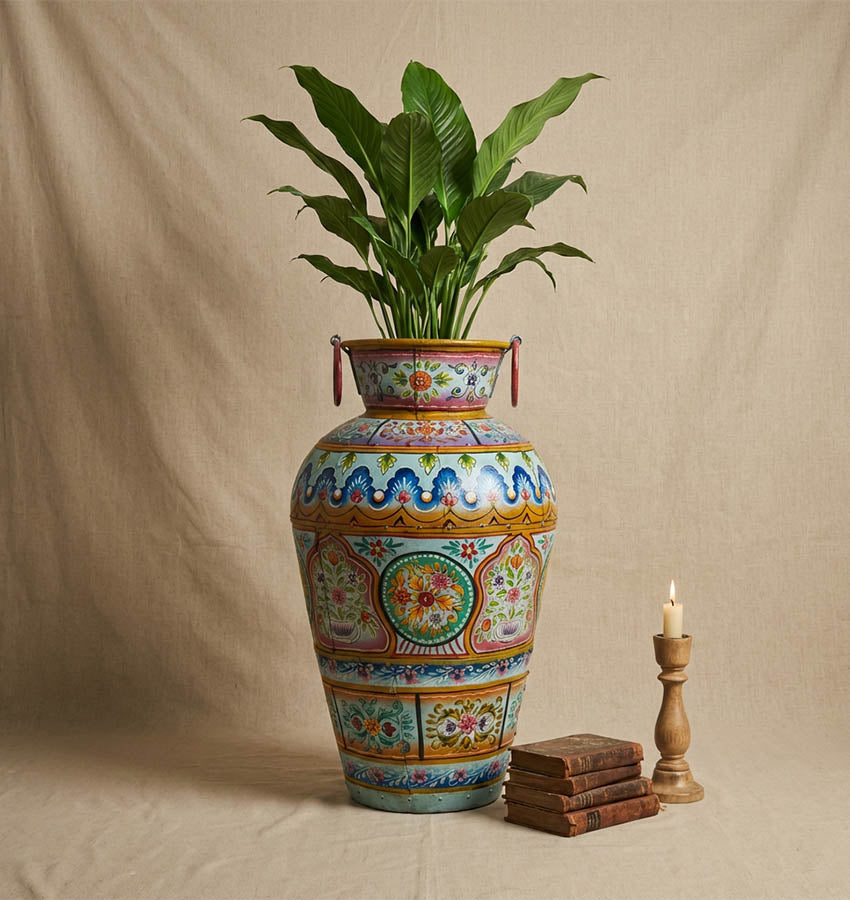
Pair your table with contrasting textures: stack two or three linen-bound art books, add a ceramic tray for remotes, and use a low vase of seasonal foliage to maintain open sightlines.
To preserve antique finishes, dust weekly with a dry microfiber cloth, use felt-backed coasters under hot or cold drinks, and apply a natural beeswax feed once or twice a year to prevent the wood from drying out.